


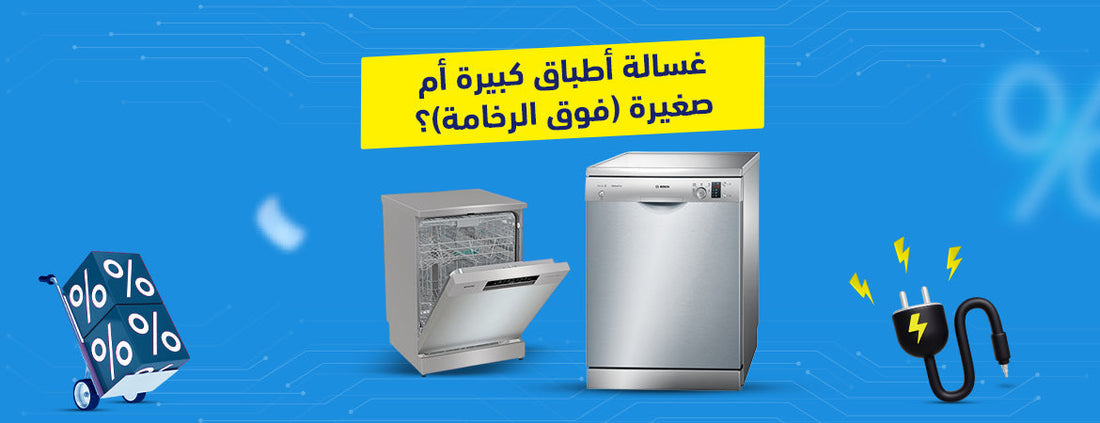
Large or Small Dishwasher (Countertop): How to Choose the Right One for You?
When it comes to cleaning dishes, a dishwasher can save you a lot of time and effort, making it an indispensable addition to any modern kitchen. But with the many options available, choosing the ideal type can be confusing. Do you need a small dishwasher for tight spaces? Or are you looking for a large dishwasher that can accommodate all the dishes for your family? In addition, you should consider other factors such as energy efficiency, water consumption, and available features. In this article, we will cover everything you need to know about how to choose the right dishwasher for you, helping you make the most suitable decision for your daily needs.
1. Size and Available Space
The size and available space in your kitchen are essential factors to consider. You need to determine the available space, whether on the countertop or in the cabinets, for installing the dishwasher.
-
Small Dishwashers (Countertop): If you have a small or limited kitchen space, a compact dishwasher will be the ideal choice. These dishwashers are compact in size and can be placed on the kitchen countertop without needing to be installed into cabinets. Despite their small size, they offer good performance and are suitable for individuals or small families.
-
Large Dishwashers (Built-in): If you have sufficient space in your kitchen, a large built-in dishwasher might be the better option. These types of dishwashers offer greater capacity and are suitable for large families or people who frequently host guests. Installing them within the kitchen makes them more harmonious with other kitchen elements and frees up countertop space.
When choosing the size, make sure to accurately measure the available space to ensure the dishwasher fits its designated spot without affecting other kitchen uses.
2. Capacity and Number of Dishes
Capacity is a crucial factor when choosing a dishwasher, as it depends on your family size and the number of dishes you need to wash daily. How to choose the right dishwasher should meet your needs without being excessively large or small.
-
Small Dishwashers: Typically have a capacity ranging from 4 to 6 place settings. This means they are ideal for small families or individuals who don't need to wash a large quantity of dishes each time. If you live alone or with one other person, a small dishwasher will be sufficient for your daily needs.
-
Large Dishwashers: Come with larger capacities, ranging from 12 to 16 place settings or more. These dishwashers are ideal for large families or people who regularly wash large quantities of dishes. If you frequently host guests or have many individuals in your household, a large dishwasher will be the most suitable option to save time and energy.
Tips for Choosing the Right Capacity:
- Determine daily dish count: Count the number of dishes and utensils you use daily, including plates, cups, pots, and so on. This will help you determine whether you need a small or large dishwasher.
- Consider special occasions: If you host guests frequently or prepare large meals for occasions, you might need a larger capacity to ensure dishes are washed quickly and efficiently.
Choosing the appropriate dishwasher capacity will contribute to improved efficiency and reduce the need for frequent dishwasher operation, which helps save energy and time.
3. Energy and Water Efficiency
Energy and water consumption efficiency is an important aspect to consider, especially if you want to reduce operating costs and protect the environment. More efficient dishwashers consume less energy and water, which enhances performance and reduces environmental impact.
Water-saving technologies: It is important to choose a dishwasher with technologies that help reduce water consumption, such as water recycling systems or systems that reuse wash water to minimize the quantities consumed. Although a dishwasher may consume some water, most are more efficient than washing dishes by hand.
Tips for choosing a highly efficient dishwasher:
- Look for an energy rating: Make sure the dishwasher you choose has a high energy rating (A+++ or A++) to reduce electricity consumption.
- Choose energy-saving programs: Some dishwashers have special programs to save energy and water, such as an "eco program" or "quick program." Choose a dishwasher with these features to achieve more savings.
- Check water consumption: Ensure that the dishwasher does not consume large amounts of water in each cycle, and look for dishwashers with innovative systems to optimize water consumption.
Choosing a dishwasher with high energy and water efficiency is not only an economical choice but also contributes to protecting the environment by reducing emissions and consuming natural resources.
4. Additional Functions and Features
When choosing a dishwasher, additional functions and features are an important factor in determining the dishwasher's suitability for your daily needs. In addition to the dishwasher's basic performance in cleaning dishes, many modern models offer a range of advanced features that contribute to improving the user experience, saving time and effort, and achieving better efficiency.
-
Multiple wash programs: Most dishwashers come with a variety of programs tailored for different types of dishes and needs. Such as:
- Normal program: Used for regular washing of dirty dishes.
- Quick program: Used for dishes that are not heavily soiled and completes the wash cycle in a short time.
- Intensive wash program: Ideal for heavily soiled dishes such as large pots or trays that require deep cleaning.
- Energy-saving program: Consumes less water and energy and is used for dishes that do not require complex cleaning.
-
Advanced cleaning technologies: Some dishwashers are equipped with advanced technologies such as steam sterilization or UV cleaning, which help kill germs and bacteria and provide more hygienic cleaning for dishes. This technology is particularly useful if you use the dishwasher to clean sensitive cutlery or dishes.
-
Adjustable racks: Some dishwashers have adjustable or foldable racks, giving you greater flexibility in arranging dishes inside the dishwasher. You can adjust the racks to accommodate large items such as pots or large plates, maximizing space utilization inside the dishwasher.
-
Self-timing function: Some dishwashers allow you to set a delayed start time for washing (e.g., a few hours later or overnight). This feature helps utilize off-peak energy periods, which can save you money on your electricity bill.
-
Smart functions: Some dishwashers include smart functions such as mobile app control, where you can start the dishwasher or adjust settings through a dedicated app on your smartphone. Additionally, some dishwashers may come with smart sensor technology that adjusts washing conditions based on the soil level of the dishes.
-
Sound and noise: Some dishwashers feature noise reduction technologies, making them ideal for people who prefer quiet operation at night or in small spaces. Low-noise dishwashers ensure greater comfort in the home.
Tips for Choosing the Right Features:
- Identify your daily needs: If you use the dishwasher daily, you may need features such as a quick program or an eco program to save time and energy.
- Advanced technologies: If you care about hygienic cleanliness, look for dishwashers with technologies like steam sterilization or deep cleaning functions.
- Adjustable racks: This feature is important if you need to wash large items or if you wash a variety of dishes and utensils.
- Self-timing: If you have a flexible schedule or want to reduce electricity consumption during peak hours, this feature can be useful.
The correct choice of functions and features can enhance the efficiency of your dishwasher and help improve your daily experience.
5. Cost
Cost is one of the important factors to consider when buying a dishwasher. Prices vary based on size, brand, features, and efficiency, so setting an appropriate budget will help you choose a dishwasher that fits your needs without overspending.
-
Small Dishwashers (Countertop): Small dishwashers are typically less expensive than larger ones. Their prices often range from medium to low categories, making them a suitable option for people with a limited budget or who don't need a high-capacity dishwasher. However, you should consider that these dishwashers may have fewer features compared to larger ones.
-
Large Dishwashers (Built-in): Large dishwashers are often more expensive than small ones because they offer greater capacity and come with advanced features and technologies such as multiple programs, deep cleaning technologies, and better energy and water efficiency. Despite the higher initial price, large dishwashers may save you money in the long run if you need to wash a large quantity of dishes regularly.
Additional Costs:
-
Operating cost: In addition to the initial cost of the dishwasher, you should consider the long-term operating cost, such as electricity and water bills. Dishwashers with high energy and water efficiency may be slightly more expensive to purchase, but they will save you significant operating costs.
-
Total accessory cost: Some dishwashers come with additional accessories such as adjustable racks, sterilization tablets, or water filters. Make sure to factor in these costs if you are considering adding these features to your dishwasher.
-
Warranty and maintenance: Dishwashers that come with a long warranty and comprehensive maintenance may be more expensive initially, but they can save you future maintenance costs. It is best to choose an appliance with a comprehensive warranty to ensure easy repair of malfunctions if they occur.
Tips for choosing a dishwasher within your budget:
- Prioritize: Determine the essential features you need, such as size, capacity, and energy and water efficiency. Choose a dishwasher that includes necessary features without paying for technologies you may not need.
- Compare prices: Compare prices among different brands and models to find the most cost-effective option.
- Invest in energy efficiency: If your budget allows, invest in a highly energy and water-efficient dishwasher. Although the initial price may be higher, the overall long-term cost will be lower.
Choosing a dishwasher within your budget requires you to balance price and quality. Make sure you invest in an appliance that offers you optimal value in terms of performance and efficiency in the long run.
6. Ease of Installation and Maintenance
When choosing a dishwasher, it's important to consider its ease of installation and maintenance. Some dishwashers require a complex installation process that may need a specialized technician, while others can be easily installed without assistance. Furthermore, ease of maintenance contributes to reducing future costs and preserving the appliance's performance for a longer period.
Ease of Installation:
-
Small Dishwashers (Countertop): Countertop dishwashers are usually easy to install. They can simply be placed on the kitchen surface and easily connected to water supply and drainage. These dishwashers are ideal for people who want to install the appliance themselves or who don't have much space for built-in kitchens.
-
Built-in Dishwashers (Integrated into Cabinets): Built-in dishwashers require more complex installation. This may involve internal installation in cabinets, and perhaps the need to modify cabinet placement or allocate space under the countertop to fix the appliance. In some cases, it is advisable to seek the help of a specialized technician to ensure proper dishwasher installation.
Ease of Maintenance:
-
Regular Maintenance: It is important to choose a dishwasher with easily cleanable components, such as filters and pumps. Filters should be cleaned regularly to ensure proper water flow. Additionally, some dishwashers have warning technologies to alert you when important parts like filters or spray arms need cleaning.
-
Maintenance Services and Technical Support: Ensure that the manufacturer or authorized dealer provides regular maintenance services and reliable technical support. Some brands offer long-term warranties and comprehensive maintenance, which helps you avoid major problems in the future.
-
Ease of Troubleshooting: Some dishwashers have diagnostic technologies that allow you to accurately pinpoint the location of a problem. For example, messages may appear on the display screen indicating the type of malfunction, which simplifies the repair process. Also, some parts like filters and spray arms can be easily removed and cleaned, reducing the need for frequent maintenance.
Tips for Improving Ease of Installation and Maintenance:
- Check the user manual: Before purchasing the dishwasher, check the user manual to ensure ease of installation and maintenance.
- Choose reliable brands: Some companies offer dishwashers with convenient designs for maintenance and excellent customer support.
- Clean the dishwasher regularly: Make sure to clean the filters and internal parts regularly to maintain the dishwasher's efficiency and avoid malfunctions.
Choosing a dishwasher with easy installation and maintenance will make your life easier and reduce future hassle.
A dishwasher is one of the best investments you can make in your kitchen, as it saves you time and effort and helps keep dishes perfectly clean. Whether you choose a small or large dishwasher, it should match your specific needs in terms of size, efficiency, and features. So, before making a final decision, make sure to choose a dishwasher that fits your kitchen space and efficiently meets your daily needs.
If you are looking for high-quality dishwashers at affordable prices, you can visit Al Reyada Store, where they offer a diverse range of dishwashers to suit all tastes and budgets, with a guarantee of the best performance and after-sales service.
Choosing the perfect dishwasher will make your life easier, giving you more time to enjoy more important things!
Frequently Asked Questions:
Does a dishwasher save energy? Yes, a dishwasher can be more water and energy-efficient compared to handwashing, especially if you choose an energy-saving model.
What are the advantages of a dishwasher? The advantages of a dishwasher include saving time, improving water and energy efficiency, better dish cleaning, and offering multiple programs to suit different needs.
Can large pots and pans be used in a dishwasher? Yes, many dishwashers come with adjustable racks to accommodate large items such as pots and trays.
What is the cost of a dishwasher? Prices vary based on size, brand, and features. Affordable dishwashers can be found in stores like Al Reyada Store.
Prev post

How to choose the best water cooler for your home? 8 tips you can't miss
Updated on 18 June 2025